



- Written by: Godrick Foundation
- May 22, 2026
Moving Beyond Temporary Relief
When a severe resource crisis hits a vulnerable region, the immediate response is almost always emergency relief. Shipping food, clean water, and medical supplies to areas experiencing severe acute malnutrition is a vital, life-saving necessity. However, emergency relief is a temporary fix for a permanent problem. If a community relies entirely on external aid, they remain vulnerable to the next economic shock, climate event, or supply chain disruption.
True humanitarian aid must look past the immediate crisis toward long-term stability. At the Godrick Foundation, our ultimate global goal is to transition communities from a state of emergency dependency to absolute self-sufficiency. The most effective way to break the cycle of chronic hunger is to empower communities to grow their own food, manage their own land, and build resilient local economies.
The Power of Sustainable Agriculture
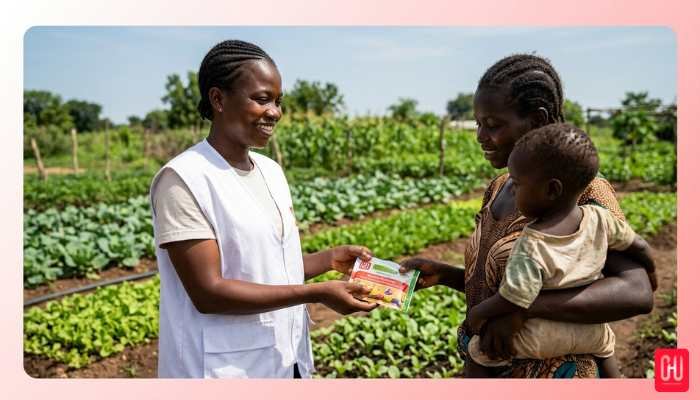
Sustainable agriculture is about more than just planting seeds; it is about understanding the environment and building systems that can withstand future shocks. In regions like Nigeria, traditional farming methods are often challenged by unpredictable weather patterns and limited access to modern resources. By investing in local agricultural education and infrastructure, we help farmers implement techniques that preserve soil health, conserve water, and maximize crop yields.
When a community can reliably produce its own nutritious food, the benefits ripple across every aspect of society:
Health Equity: Children receive consistent, fresh nutrition, drastically reducing the rates of severe acute malnutrition and related illnesses.
Economic Stability: Local farmers can sell their surplus produce, keeping capital within the community and stimulating the local economy.
Educational Growth: Well-nourished children have the physical and mental energy required to attend school regularly and succeed academically.
Empowering Local Leadership
The key to sustainable development is ensuring that the programs are led by the community, for the community. We work closely with local leaders and agricultural experts who understand the unique cultural and environmental landscape of the region. By providing these leaders with tools, high-quality seeds, and training, we ensure that the knowledge remains within the community for generations to come. This approach respects human dignity and shifts the dynamic from charity to true partnership.
A Blueprint for Independence
Our vision is a world where external food aid is no longer required because every region possesses the tools to feed its own people. By combining immediate emergency relief with long-term agricultural development, we build a reliable bridge to independence.